How to communicate with clarity instead of ego.
Take a look at the image below and say aloud the color of the words. Ready? Go…
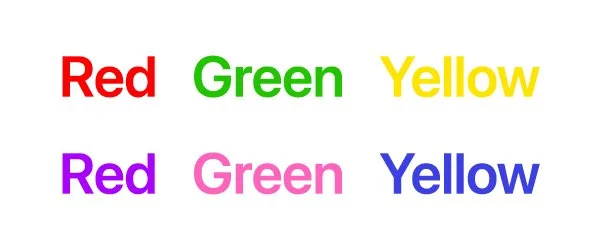
Done correctly, you would have said: red, green, yellow, purple, pink, blue. Well, how’d you do? Did you notice the mental lag on line two?
In psychology, the delay in reaction between how long it takes you to read these words and how long it takes you to name the colors is called the Stroop effect.
It’s an interference in your mind between two conflicting pieces of information—the word and the color of the word—that causes a delay in cognition.
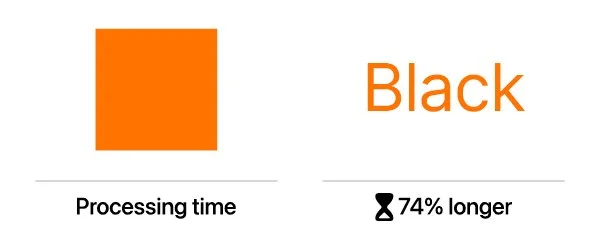
In the original research, John Ridley Stroop found that it took people 74% longer to say the color of a word with incongruent stimuli than it took them to say the color of a generic square.
So what?
When we use specialized language that we are familiar with but our audience is not, we are forcing their minds into a type of Stroop effect. We are essentially causing a mental delay between what we say and what we mean, and our listeners have to work much harder to understand what we are saying.
Here are a few examples from several different categories…
Right-sizing (reducing staff because of budget concerns)
Bandwidth issue (having no time to do the work)
Performance improvement plan (a formal warning before termination)
Socioeconomically disadvantaged (living in deep poverty)
Died by suicide (took their own life)
Communities facing housing insecurity (people struggling to pay rent)
Undocumented migrant (a non-citizen without a visa)
Justice-impacted individual (a person who has a criminal record or went to prison)
Enhanced interrogation (torturing a prisoner for information)
The price of jargon.
You know these words—they’re no big deal, right? No big deal to you. But can you be confident that’s true for your audience?
Language is the most powerful tool we have for connecting. But also for controlling.
Whether your desire is noble (to educate or enlighten) or you have a darker intent (to skew or control); demanding your audience play mental catch-up (and correcting them when they get it wrong) is a debt they have to pay to stay in the conversation.
Kind communicators should do everything in their power to eliminate this debt, by fighting for clarity, giving care to every word used, eliminating jargon, and gut-checking their intentions.